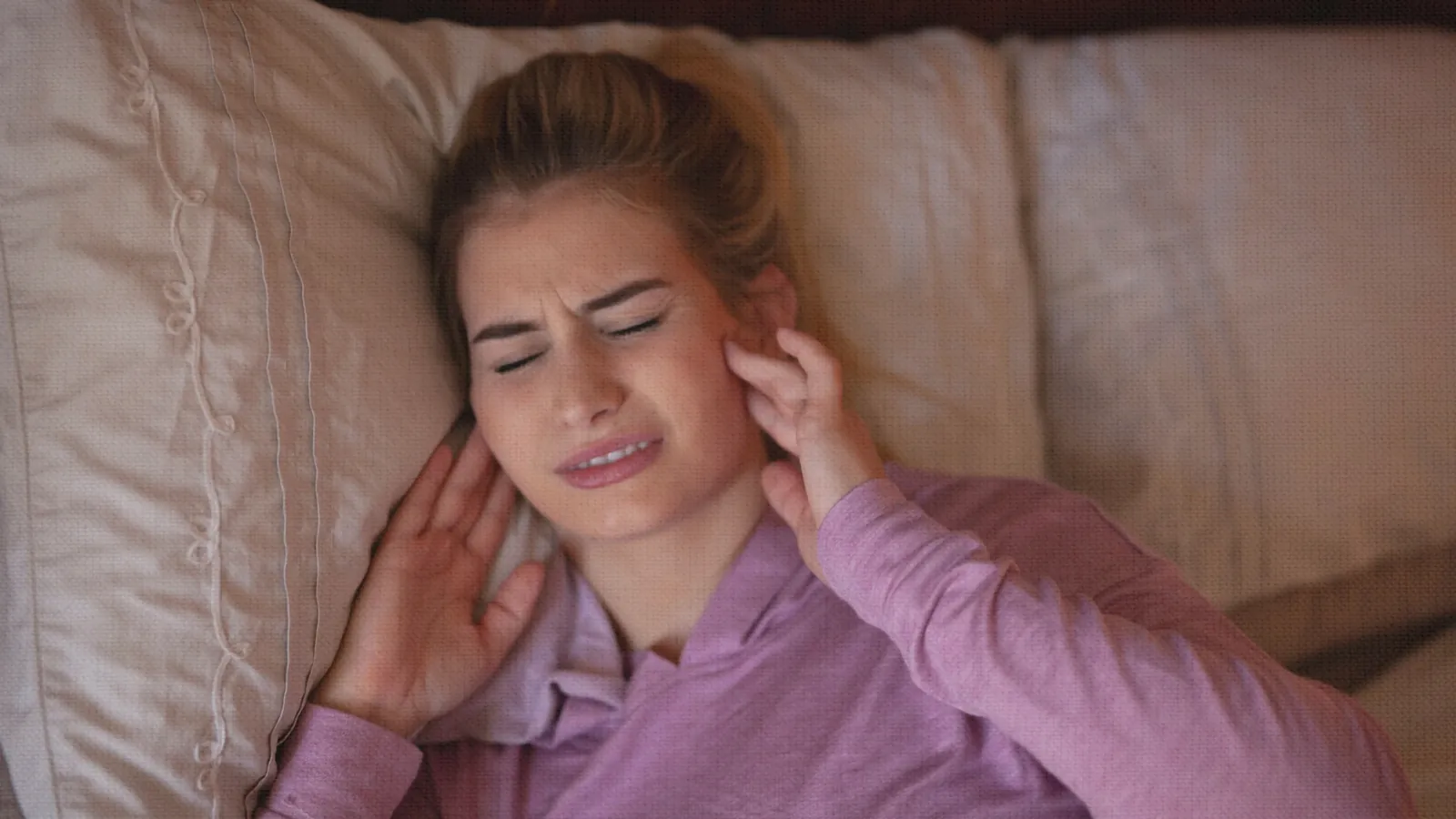
If you’re constantly clenching your jaw, waking up with headaches or feeling like your jaw muscles never quite relax, you might be surprised to learn that Botox could help.
Perhaps you’ve already been diagnosed with TMJ issues and are exploring your treatment options. Or maybe you’re only just starting to connect the dots between your jaw pain, persistent tension, and even changes in the shape of your lower face.
Either way, if you’re dealing with ongoing jaw discomfort, using Botox to treat TMJ pain is an option worth knowing about. And one we can help with here at BodyTonic Med Spa in Cleveland.
By relaxing overactive jaw muscles, Botox can help ease clenching and some of the pain associated with TMJ, and gradually create a softer, slimmer jawline too. It’s relief with an aesthetic bonus.
Here’s what you need to know about how it works, who it’s likely to help, the potential benefits, and whether it could be right for you.
What is TMJ/TMD?
First, a quick clarification – because the terms get used loosely.
TMJ technically stands for temporomandibular joint: the joint itself, connecting your lower jaw to your skull, just in front of your ears. TMD (temporomandibular disorder) is the actual term for conditions affecting this joint and the surrounding muscles. In everyday use, though, most people simply refer to both the joint and the condition as “TMJ.”
And it can show up as more than just jaw pain. Common symptoms of TMJ/TMD include:
- Jaw pain, tenderness, or a constant feeling of tightness.
- Discomfort or fatigue when chewing.
- Painful clicking or popping, or difficulty opening your jaw.
- Headaches or pain around your temples.
- Earaches, tooth pain, or neck or shoulder pain.
- Enlarged masseter muscles that make the lower face appear wider or more square.
TMJ clenching: a common cause
TMJ pain can have several causes, but one common contributor is overactivity in the masseter muscles – the powerful muscles on either side of your jaw that you use for chewing. When these muscles are repeatedly overworked through clenching or grinding (often during sleep, or unconsciously throughout the day when you’re stressed or concentrating) they can become tight, sore, and enlarged over time. Essentially, they’re working overtime and never clocking off.
However, it’s worth knowing that not every case of TMJ comes down to muscle overactivity. Problems within the joint itself can also cause pain and restricted movement, which is why understanding the source of your symptoms matters when it comes to choosing the right treatment.
How does Botox for TMJ pain work?
Most people know Botox best as a treatment for smoothing wrinkles. But the same thing that makes it work on frown lines – relaxing overactive muscles – is what makes it useful here too.
Botox works by temporarily blocking the nerve signals that tell a muscle to contract. When injected into the masseter muscles, this means it reduces the muscle’s ability to clench as hard as before, and simply put – your jaw can’t overwork itself anymore, which in itself takes a lot of the tension and discomfort out of the equation.
And don’t worry – you won’t lose the ability to chew or talk normally. Some people notice a bit of temporary weakness when eating tougher foods, but your jaw keeps working the way it should.
Who can benefit from Botox for TMJ?
Because TMD can have several different causes, Botox isn’t the right starting point for everyone – but it tends to be most effective for people with certain patterns of symptoms.
- You’re clenching or grinding, and your jaw muscles feel constantly tight. If that’s your main issue, Botox could be a great fit, since it works directly on the muscle activity behind it.
- You’ve already tried the usual first steps. A night guard, physical therapy, stress management, maybe some over-the-counter pain relief – and you’re still dealing with symptoms. Botox isn’t usually the first thing to try, but it can be a helpful next step when muscle overactivity remains the main issue.
- You’re also interested in a softer jawline. Some patients are drawn to treatment partly for the cosmetic bonus of a softer, less square jawline, alongside symptom relief. That’s a completely valid reason to explore treatment, as long as your expectations about the degree of change stay realistic.
Where it’s less likely to help: if your TMJ symptoms are mainly caused by a structural issue within the joint itself – rather than muscle overactivity – Botox is less likely to provide meaningful relief on its own, and a dental or medical evaluation is a more appropriate first step.
This is exactly why an in-depth consultation matters: the right treatment depends on what’s actually driving your symptoms, not just where you feel them.
The benefits of Botox for TMJ
Overall, Botox can offer several benefits for people whose symptoms are linked to overactive masseter muscles:
- Less clenching and grinding force. It won’t necessarily stop the habit, but it can reduce a lot of the strain behind it.
- Relief from jaw pain and tension. Calming overworked muscles can ease that constant soreness and tightness, even when you’re not chewing or talking.
- Fewer tension headaches. If your headaches stem from jaw tension, relaxing the muscle can bring some relief.
- A softer, slimmer jawline. As the muscle relaxes, it often gradually reduces in size, creating a softer, less square-looking lower face.
That last benefit is particularly interesting because it’s something many people don’t initially associate with TMJ treatment.
Just like other muscles in your body, your masseters can become larger when they’re repeatedly overworked. If you clench or grind your teeth regularly, you may have developed enlarged masseters without even realizing it, which can make the lower face look wider or more square.
By calming that overactivity, Botox allows the muscle to gradually reduce in bulk, which can slim and soften the lower face and give your jawline a less square, more tapered shape. It’s essentially the same principle behind cosmetic masseter Botox, which many people have purely for jawline slimming.
Like the pain relief, this isn’t an overnight change. The softening tends to develop gradually over the weeks after treatment, and it often builds with regular treatments.
Of course, not everyone with TMJ symptoms has enlarged masseters, and not everyone wants to change the shape of their face. How much difference you’ll notice depends on your individual facial anatomy, muscle size, and treatment plan, and we’ll always talk that through with you so you know what to expect.
One thing to keep in mind: masseter Botox slims and softens the lower face, but it doesn’t add structure or lift. If jawline definition is a bigger goal for you, we can also talk through jawline contouring options to complement your results.
Limitations and side effects of Botox for TMJ
Although Botox may provide relief for some people, it’s important to understand that it isn’t necessarily the right treatment for everyone.
TMD can have several contributing factors, including muscle overactivity, joint problems and habits such as clenching or grinding. Botox targets muscle activity, but it doesn’t address every possible underlying cause.
It’s also worth knowing that Botox for TMJ is an off-label treatment, meaning it isn’t specifically FDA-approved for this purpose. That doesn’t mean it can’t help. Some studies have found improvements in muscle-related TMJ pain, but the overall evidence is still mixed. That said, it’s becoming increasingly used as an additional treatment option for TMD, particularly when more conservative treatments haven’t provided sufficient relief.
Side effects of Botox for TMJ
As with any Botox treatment, you might notice some temporary tenderness, swelling, or bruising around the injection sites.
Because the masseter muscles play an important role in chewing and facial movement, there are also some treatment-specific side effects to be aware of:
- Temporary chewing weakness or fatigue, particularly when eating tougher foods.
- Changes to your smile or facial symmetry if the toxin affects nearby muscles.
- Unwanted changes in facial appearance, including excessive slimming or changes in lower-face contours.
Some research has also raised concerns about possible changes to the jawbone with repeated treatment, although the long-term effects in humans aren’t fully understood.
These risks are among the reasons why appropriate patient selection, careful dosing and an experienced, qualified injector are so important.
What to expect from treatment
If you’re considering using Botox to treat TMJ pain, the first step is understanding what’s causing your symptoms and whether masseter Botox is an appropriate option.
Your provider will assess your jaw muscles, discuss your symptoms and treatment goals, and determine whether Botox may be suitable. Depending on your symptoms, a dental or medical assessment may also be recommended.
The treatment itself is fast and straightforward. Botox is injected directly into the targeted masseter muscles using a fine needle, the injections themselves taking just a few minutes, and you can return to your normal daily activities immediately afterwards.
There’s generally little downtime, although you may experience some temporary tenderness or bruising.
How fast does it work, and how long does it last?
Botox doesn’t work instantly – it takes a little time to kick in. Most people start noticing less tension and clenching within a few days to a couple of weeks, with the full effect settling in a bit after that. Everyone’s timeline, and level of relief, looks a little different.
If jawline slimming is also a treatment goal, that change happens even more gradually, as the muscle itself reduces in size over time.
In terms of how long it lasts: generally around three to four months. Once it wears off, muscle activity picks back up and symptoms can return, so many people opt for repeat treatments, sometimes alongside other approaches to managing their symptoms long-term. Your provider can help you work out a maintenance schedule that makes sense for you.
Botox for TMJ pain at BodyTonic Med Spa
If persistent jaw clenching, muscular tension, or TMJ-related pain is affecting your day-to-day life, Botox is definitely an option worth exploring.
The key is understanding what’s causing your symptoms and whether relaxing your masseter muscles is likely to help, which is why a proper consultation is always the most important first step.
At BodyTonic Med Spa in Cleveland, our experienced injectors take a personalized approach to neurotoxin treatments, considering your individual anatomy, symptoms, and goals before recommending a plan.
Whether you’re looking for relief from jaw tension, interested in the aesthetic benefits of masseter Botox, or simply want to understand your options, we’re here to help you make an informed decision.
Contact BodyTonic Med Spa to schedule a consultation and find out whether Botox for TMJ could be right for you.