
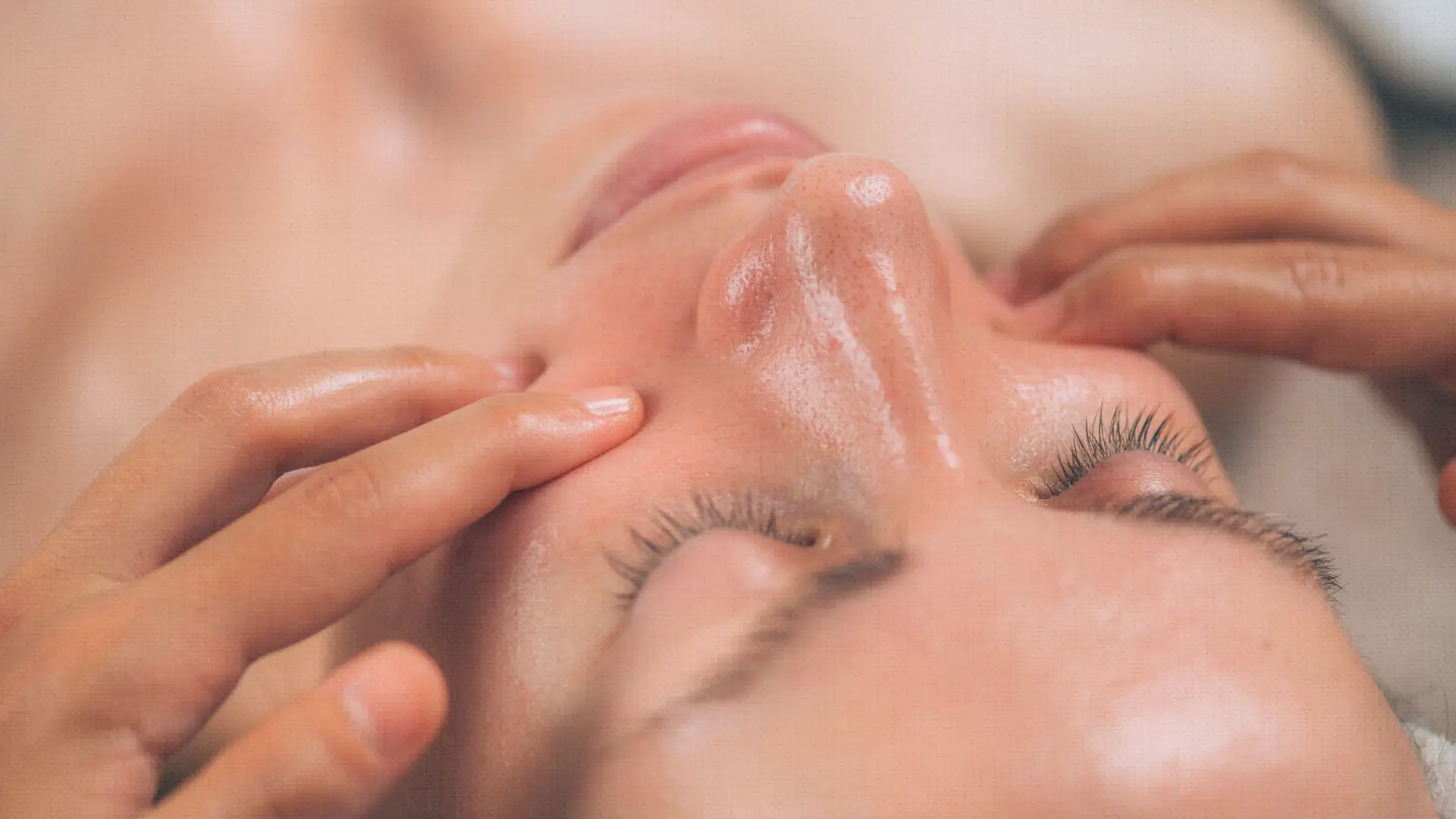
Most people dealing with dry or tight skin are treating the wrong problem.
They reach for heavier creams, drink more water, try a new serum. And yet the skin still feels parched. The reason is usually simple: hydration and moisturisation are not the same thing. Confusing the two means you can spend a lot of money without ever solving the actual issue.This guide walks you through both – from the right ingredients and at-home skincare routines, to professional treatments like HydraFacial and IV hydration therapy. We’ll be honest about what works, what the evidence says, and what to skip.
First, let’s clear something up: dehydrated vs. dry skin
Dehydrated skin lacks water. Dry skin lacks oil. They feel similar – but they need different solutions. Even oily skin can be dehydrated. Piling on thick creams when your skin is dehydrated, not dry, often makes things worse. Understanding which one you have changes everything about how you treat it.
If your skin is also flaking or peeling, it’s worth reading our guide on dehydrated skin vs dry skin – the causes are different, and so are the fixes.
Professional skin hydration treatments (are they worth it?)
Professional treatments can deliver active ingredients at depths and concentrations that topical products simply can’t match. But not all treatments are created equal – and some are better supported by evidence than others.
HydraFacial for deep skin hydration
HydraFacial is one of the most consistent skin hydration treatments available in a clinic setting. It works across four steps: cleansing, exfoliation, extraction, and active infusion.
What makes it different from a standard facial is the infusion stage. Hydrating actives – including hyaluronic acid, peptides, and antioxidants – are delivered directly into the skin via a patented vortex system. That bypasses the absorption barrier that limits most topical products.
Manufacturer clinical data and published reviews consistently show improvements in hydration, elasticity, and radiance – even after a single session.
Who it suits best: Congested, dull, or chronically dehydrated skin. It’s also a strong starting point for anyone new to professional treatments – no downtime, visible results immediately.
How long results last: The post-treatment glow typically holds for 7–10 days. With regular sessions every four to six weeks, skin quality improves cumulatively over time. Take a look at our HydraFacial treatment options in Cleveland if you’d like to explore it further.
IV hydration therapy for skin glow
IV hydration therapy delivers fluids, vitamins, and minerals directly into the bloodstream. It’s widely marketed as a skin-glow treatment – and the physiological basis isn’t unreasonable.
Deficiencies in vitamins C, B-complex, and zinc are associated with dull, fatigued skin. And systemic hydration does influence skin elasticity and turgor. The problem is that the clinical evidence specifically linking IV hydration therapy to cosmetic improvement in otherwise healthy adults is thin. Most published data involves patients recovering from illness or acute dehydration – not typical spa clients.
Honest take
if you’re genuinely run down – poor diet, high stress, a lot of travel – IV therapy may offer a real boost. As a standalone beauty treatment for someone already healthy and well-hydrated, the evidence doesn’t strongly support it. It works best as an occasional complement to a solid skincare routine, not a replacement for one.
In-clinic hydration boosters & skin injectables
There’s a third category worth understanding: injectable treatments that improve skin quality from within. These don’t sit on the surface like skincare or work indirectly like IV therapy – they act at a dermal level, where hydration, collagen, and structure are actually regulated.
- Biostimulatory injectables (e.g. Sculptra®): Rather than delivering hydration directly, these stimulate your body’s own collagen production over time. The result isn’t an instant “glow,” but a gradual improvement in skin density, elasticity, and resilience – which can make skin look more hydrated as a byproduct.
- Hyaluronic acid-based injectables: Traditional dermal fillers (such as Juvederm or Restylane) are typically used for structure and volume, but hyaluronic acid also binds water. In lighter placements, they can contribute to improved skin smoothness and hydration – though that’s not their primary role.
- Regenerative treatments (e.g. PRF): Platelet-rich fibrin uses your body’s own growth factors to support tissue repair and skin quality. Evidence is still evolving, but it’s commonly used to improve texture, tone, and overall skin vitality rather than just surface hydration.
This is where expectations need to be realistic. These treatments can improve the conditions that support hydration – collagen, elasticity, skin thickness—but they’re not quick fixes for dry skin in the way a facial might be.
They’re best suited to patients dealing with deeper changes: thinning skin, loss of elasticity, or persistent dehydration that doesn’t respond to topical care.
And unlike a facial, these aren’t treatments to book on a whim. They require a proper consultation, a clear treatment plan, and should always be performed by a qualified medical professional.
Not sure which treatment is right for you?
Skin hydration treatment at home
For most people, the biggest improvements in skin hydration come not from a single clinic visit – but from getting the daily routine right. Professional treatments work best when your home routine is already doing the foundational work. For seasonal adjustments, our winter skincare routine guide is a good companion read.
Here’s the routine our team recommends. It’s straightforward, it’s backed by evidence, and it works for most skin types.
Your Daily Skin Hydration Routine
- Cleanse without stripping. Use a gentle, non-foaming cleanser that doesn’t disrupt the skin’s natural acid mantle. If your skin feels ‘squeaky clean’ after washing, that’s not a good sign – it means the barrier has been compromised. Switch to something milder.
- Apply your humectant serum on damp skin. While your skin is still slightly damp, apply a hyaluronic acid or glycerin serum. Damp skin absorbs humectants better – and it stops the ingredient drawing moisture out of the deeper layers rather than pulling it in from the environment.
- Seal with a hydrating cream. While the serum is still absorbing, layer a ceramide-rich hydrating cream over it. This forms a protective seal that locks in what you’ve just applied and reduces transepidermal water loss (TEWL).
Use an intensive moisturiser for face at night. At night, the skin repairs itself. A richer intensive overnight moisturiser applied as your final step supports that process – especially barrier regeneration, which peaks during sleep.
Skincare ingredients for hydration – what the evidence says
A lot of skincare ingredients for hydration get marketing budgets. Fewer get clinical evidence. Here’s a breakdown of the ones that actually hold up – and why dermatologists consistently reach for them.
| Ingredient | How it works | What the evidence shows |
| Hyaluronic Acid | Humectant. Binds up to 1,000× its weight in water. Different molecular weights target different skin depths. | Strong clinical evidence supports its role in surface hydration, elasticity, and skin aging processes. Molecular weight also influences depth of penetration and function. |
| Glycerin | Humectant. Draws water from the environment and from deeper skin layers. Also helps organise barrier lipids. | Among the most studied topical humectants. Consistent improvements across all skin types. |
| Ceramides | Lipid molecules that form the structural ‘mortar’ between skin cells. Restore barrier integrity and seal in moisture. | Ceramide depletion directly correlates with moisture loss and eczema severity. Essential for barrier repair. |
| Panthenol (Pro-B5) | Humectant and anti-inflammatory. Supports barrier repair and reduces sensitivity. | Well studied for wound healing and barrier restoration. Particularly effective in sensitised or post-procedure skin. |
| Urea | Dual-action: humectant at lower concentrations (≤10%); removes surface dead skin at higher concentrations (20%+). | Improves the skin’s ability to absorb other actives by clearing surface desquamation. Often underrated. |
If you want to understand why not all hyaluronic acid products deliver the same results, our dedicated guide on molecular weight is worth reading before your next HA purchase.
Best products for skin hydration
These are the best products for skin hydration that our team recommends and stocks. We’ve assessed each one the same way a clinician would – looking at the active ingredients, how they work, and which skin types will genuinely benefit.
Best hydrating serum: iS Clinical Hydra-Cool Serum
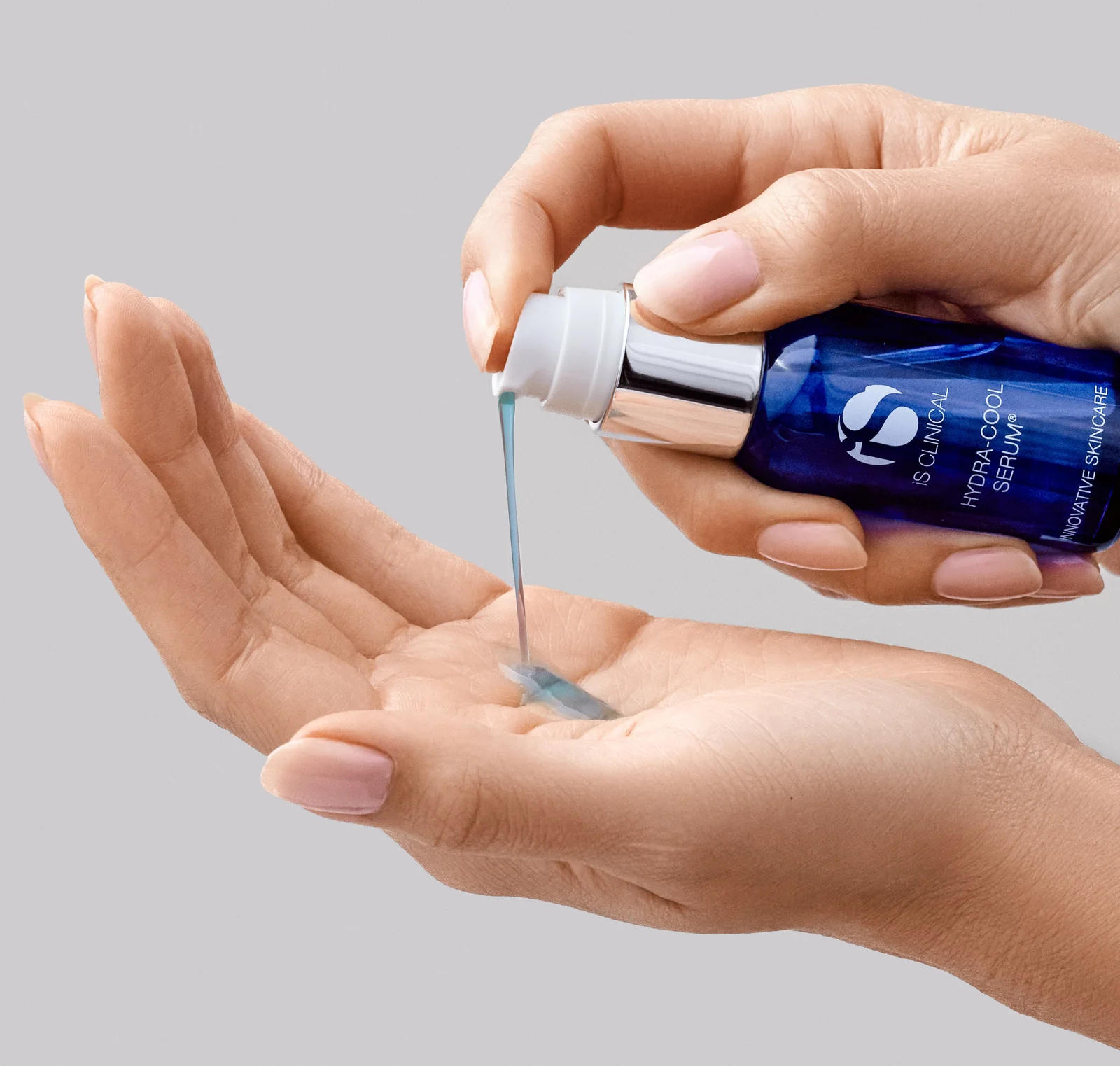
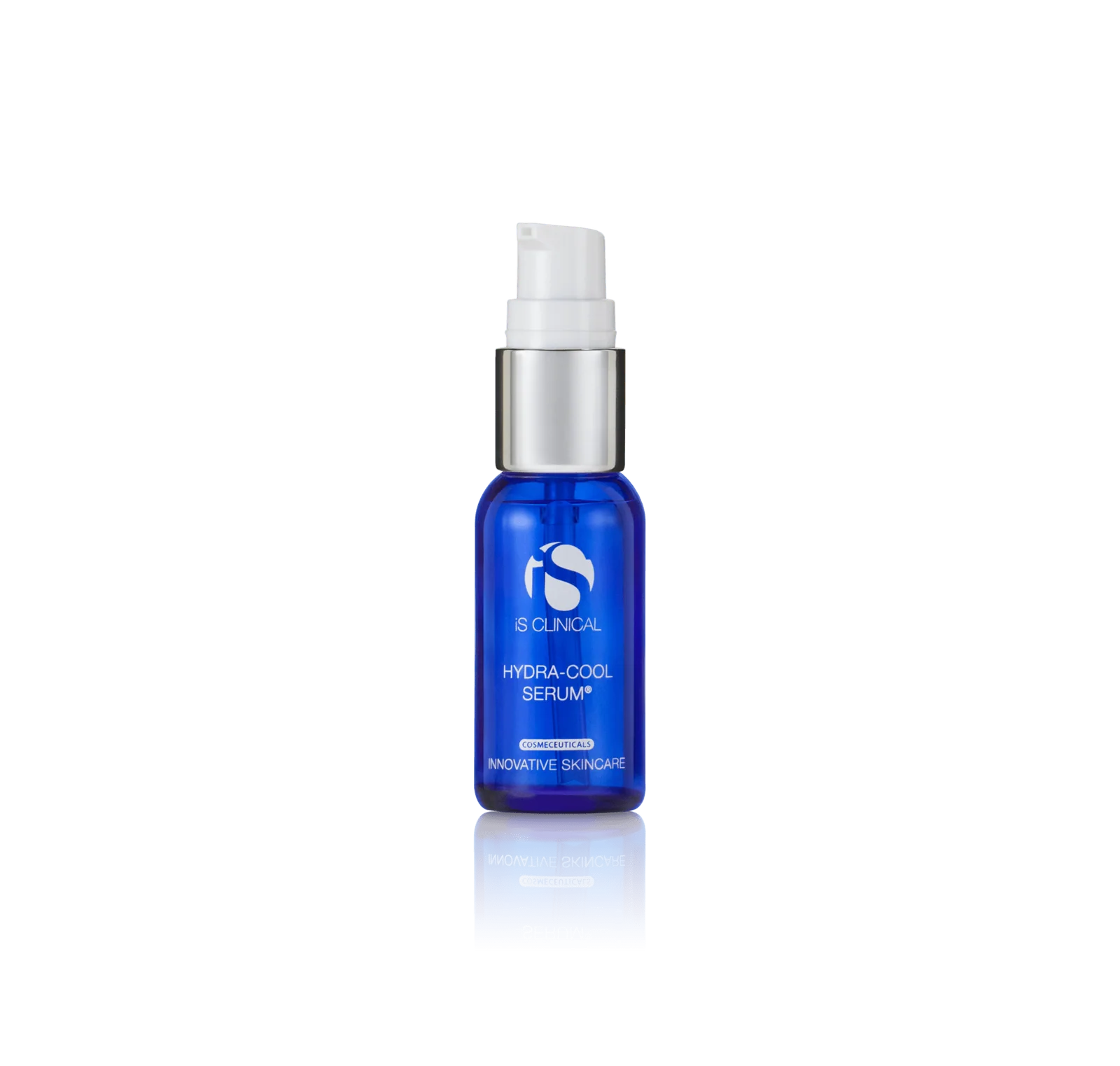
Key actives: Hyaluronic acid, copper tripeptide, centella asiatica, niacinamide
Best for: All skin types; especially dehydrated, sensitised, or post-procedure skin that needs deep hydration without heaviness
What separates this from a standard hyaluronic acid serum is what it does alongside the hydration. The copper tripeptide and centella asiatica actively support skin recovery – calming irritation and reinforcing barrier function at the same time. That makes it particularly valuable for skin that’s been through a treatment, is sensitised, or has been stripped by over-cleansing.
Apply it on damp skin, straight after cleansing, and follow with your moisturiser. It absorbs cleanly with no residue, which makes it an easy fit into almost any routine.
The iS Clinical Hydra-Cool Serum is available through iS Clinical products in Ohio at BodyTonic Medspa
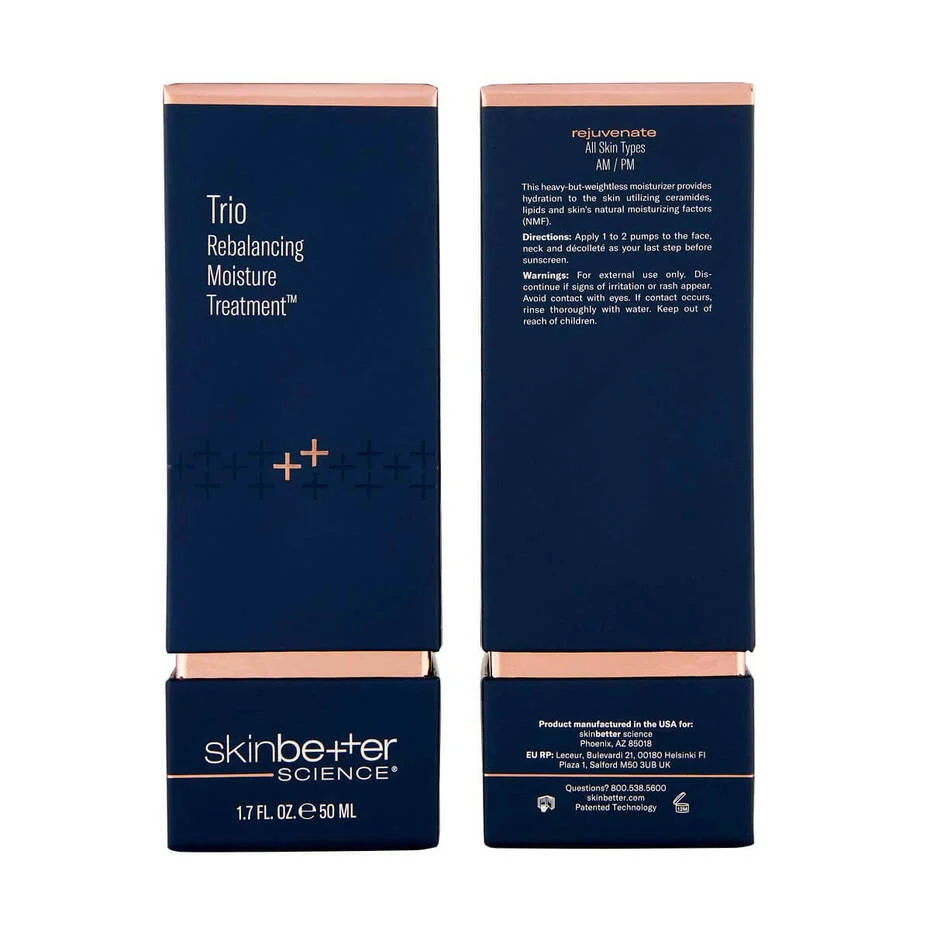
Best barrier repair cream: SkinBetter Science Trio Rebalancing Moisture Treatment
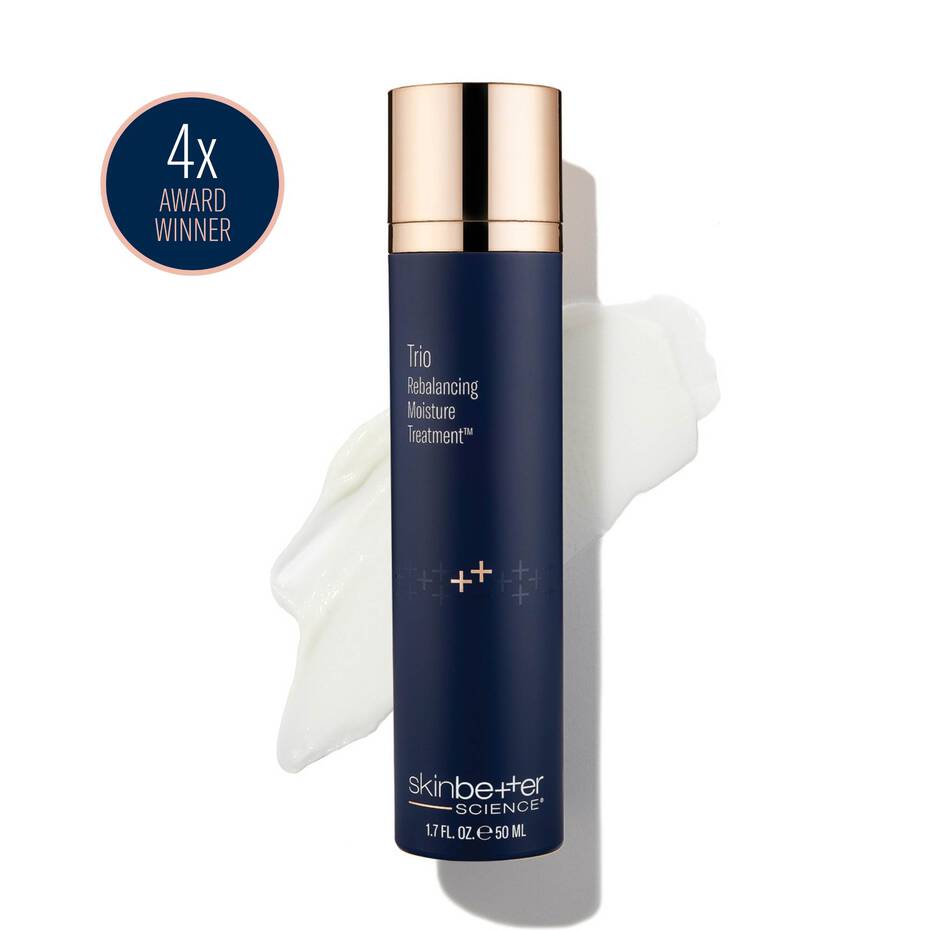
Key actives: Ceramide complex, niacinamide, glycerin, squalane
Best for: Compromised or disrupted skin barrier; post-treatment recovery; persistently dry or dehydrated skin
If your skin consistently feels dehydrated no matter what you put on it, the issue is usually barrier compromise – not a lack of products. The Trio Rebalancing Moisture Treatment is available through SkinBetter products in Ohio at BodyTonic, and it’s specifically designed to address that root cause. The ceramide complex replenishes the skin’s lipid matrix – the structural layer that determines whether moisture stays in or escapes. Without it, even the best humectant serum won’t hold.
This is not a glamorous quick-fix product. It works over time, gradually restoring the barrier function that keeps skin consistently hydrated rather than just temporarily plumped.
Best intensive moisturiser for face: iS Clinical Youth Intensive Crème
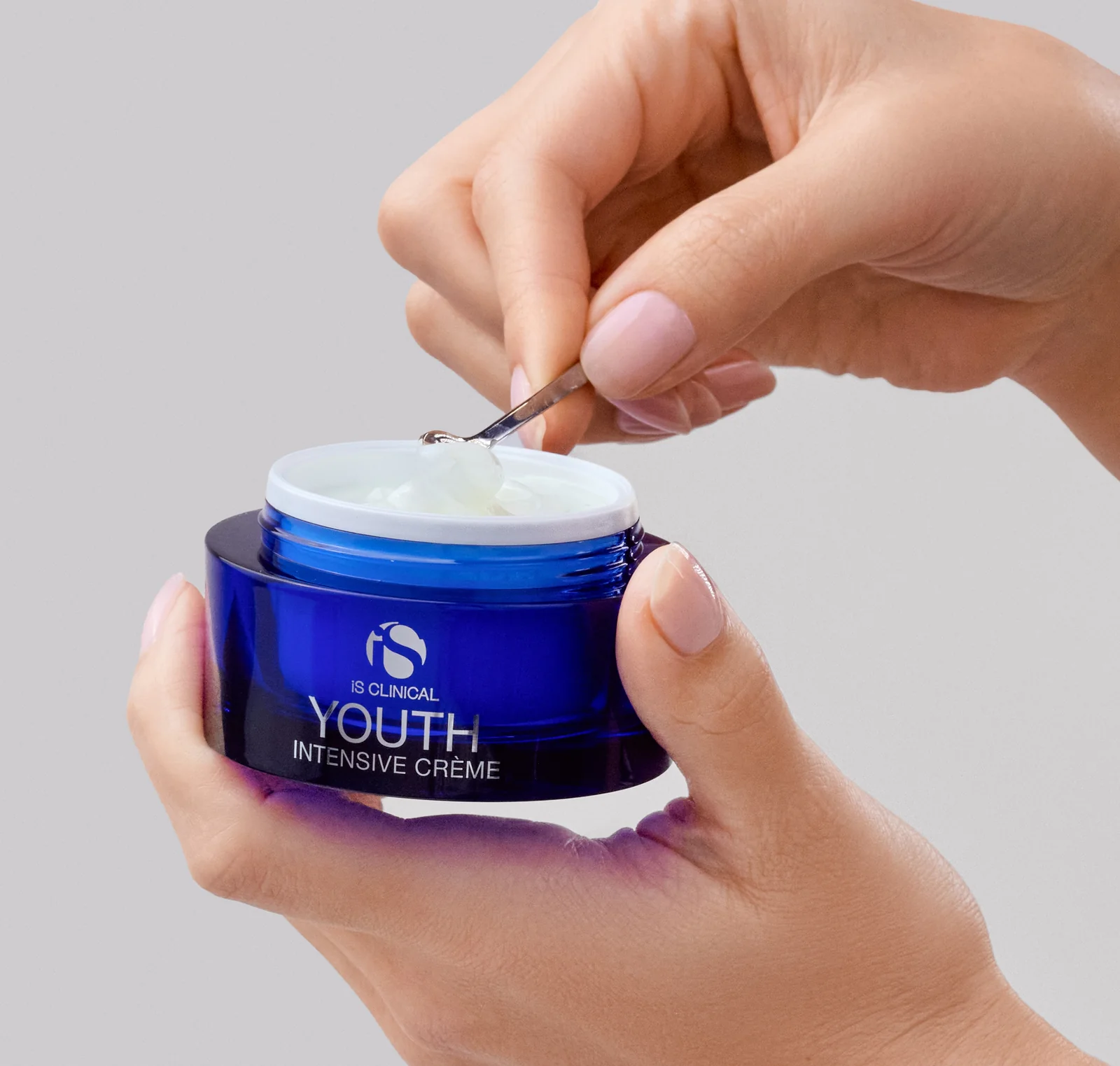


Key actives: Peptide complex, copper tripeptide, hyaluronic acid, botanical antioxidants
Best for: Mature or prematurely aged skin; dry to normal skin types wanting intensive hydration with anti-aging support
The Youth Intensive Crème works as both an intensive moisturiser for the face and an anti-aging treatment. The multi-molecular weight HA complex delivers sustained hydration, while the peptide and copper tripeptide system supports collagen synthesis and skin density over time.
It’s richer than a standard day cream and performs best as an overnight treatment – working in sync with the skin’s natural repair cycle. Clients who’ve compared it to over-the-counter alternatives consistently note the difference in how their skin feels after a few weeks of consistent use.
The iS Clinical Youth Intensive Crème is available through iS Clinical products in Ohio at BodyTonic Medspa
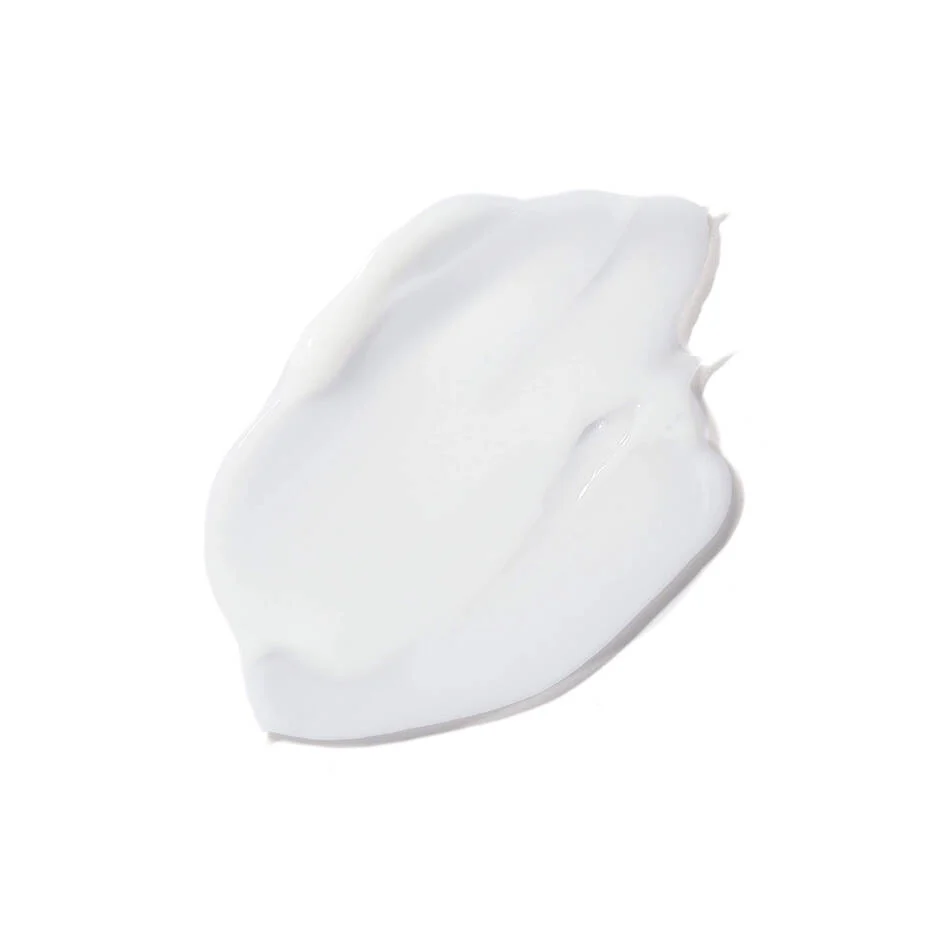
Best medical-grade option: SkinBetter Science Hydration Boosting Cream
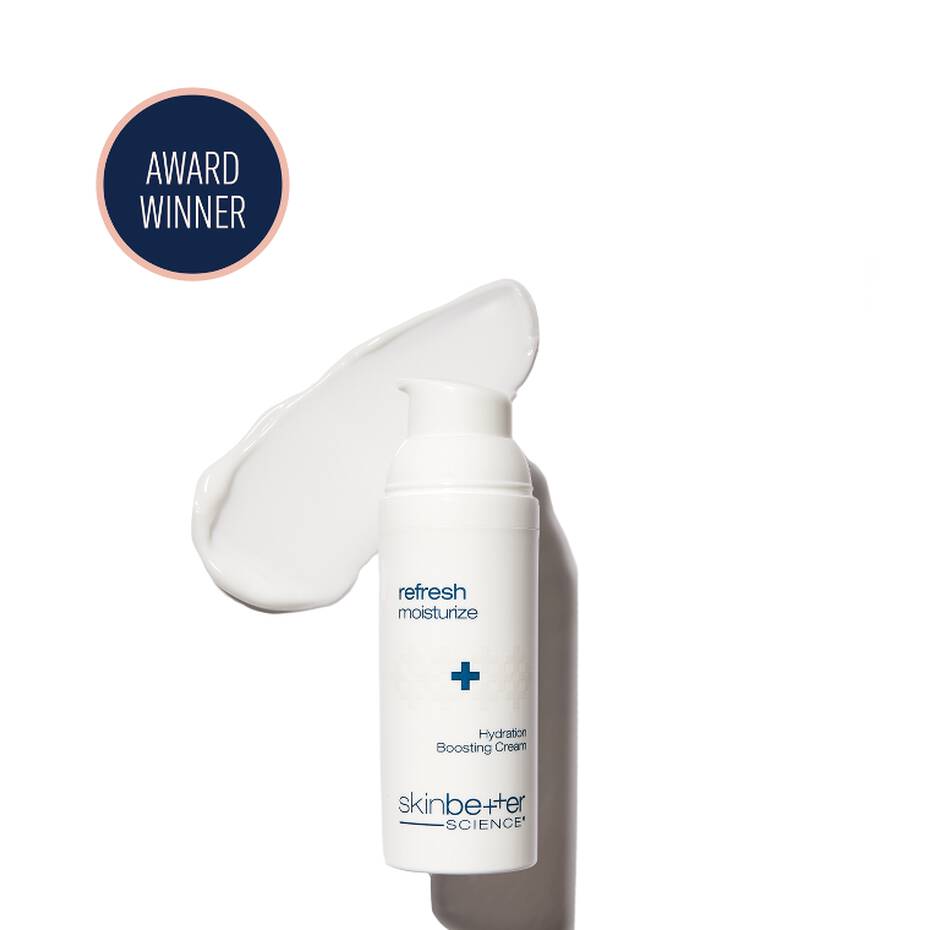
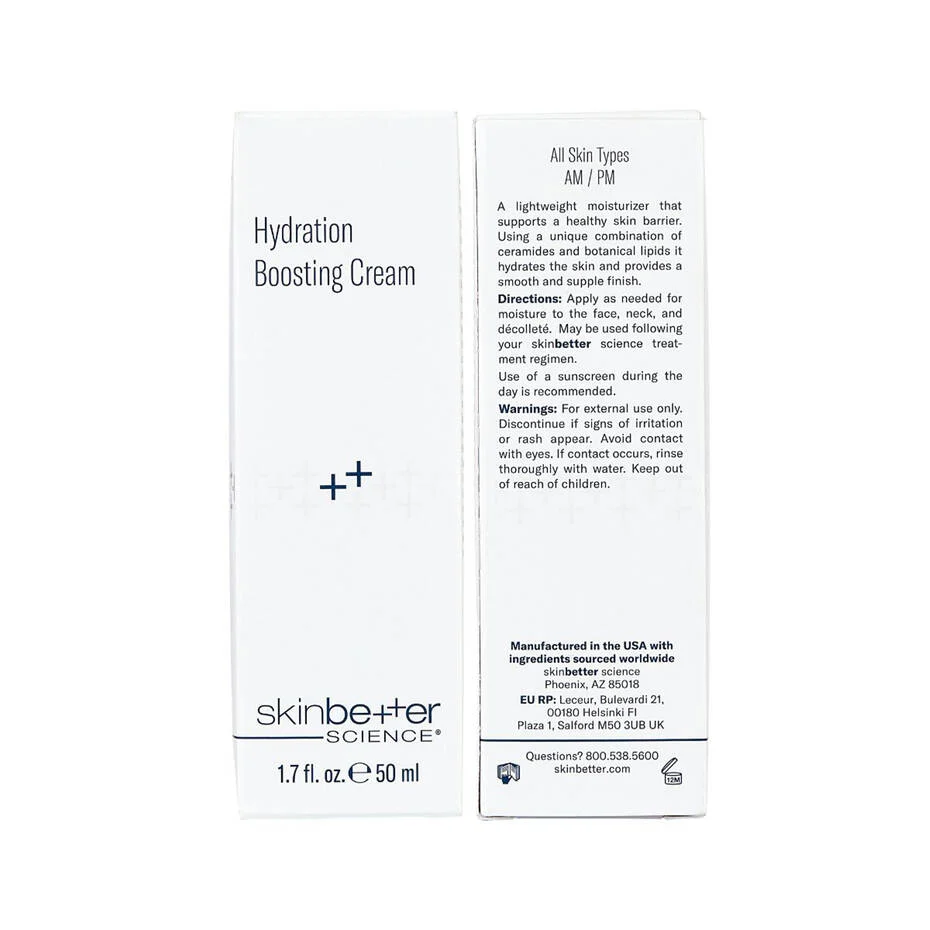
Key actives: Alpha/beta hydroxy acids, antioxidant complex, multiple HA molecular weights, barrier lipids
Best for: Normal to dry skin; anyone wanting visible plumping and smoothing alongside genuine hydration
The SkinBetter Hydration Boosting Cream sits in an uncommon category – it delivers serum-level humectant performance inside a moisturiser format. You get the plumping and water-binding of a high-strength HA product, with the barrier protection of a cream.If you find its formula suits your skin and you want a functional equivalent with additional anti-aging benefits, the iS Clinical Daily Dynamic Hydrator is the closest match in the iS Clinical range – offering hydration, barrier support, and extra anti-aging actives in one step.
The SkinBetter Science Hydration Boosting Cream is available through SkinBetter products in Ohio at BodyTonic Medspa
Best budget option: iS Clinical Active Serum
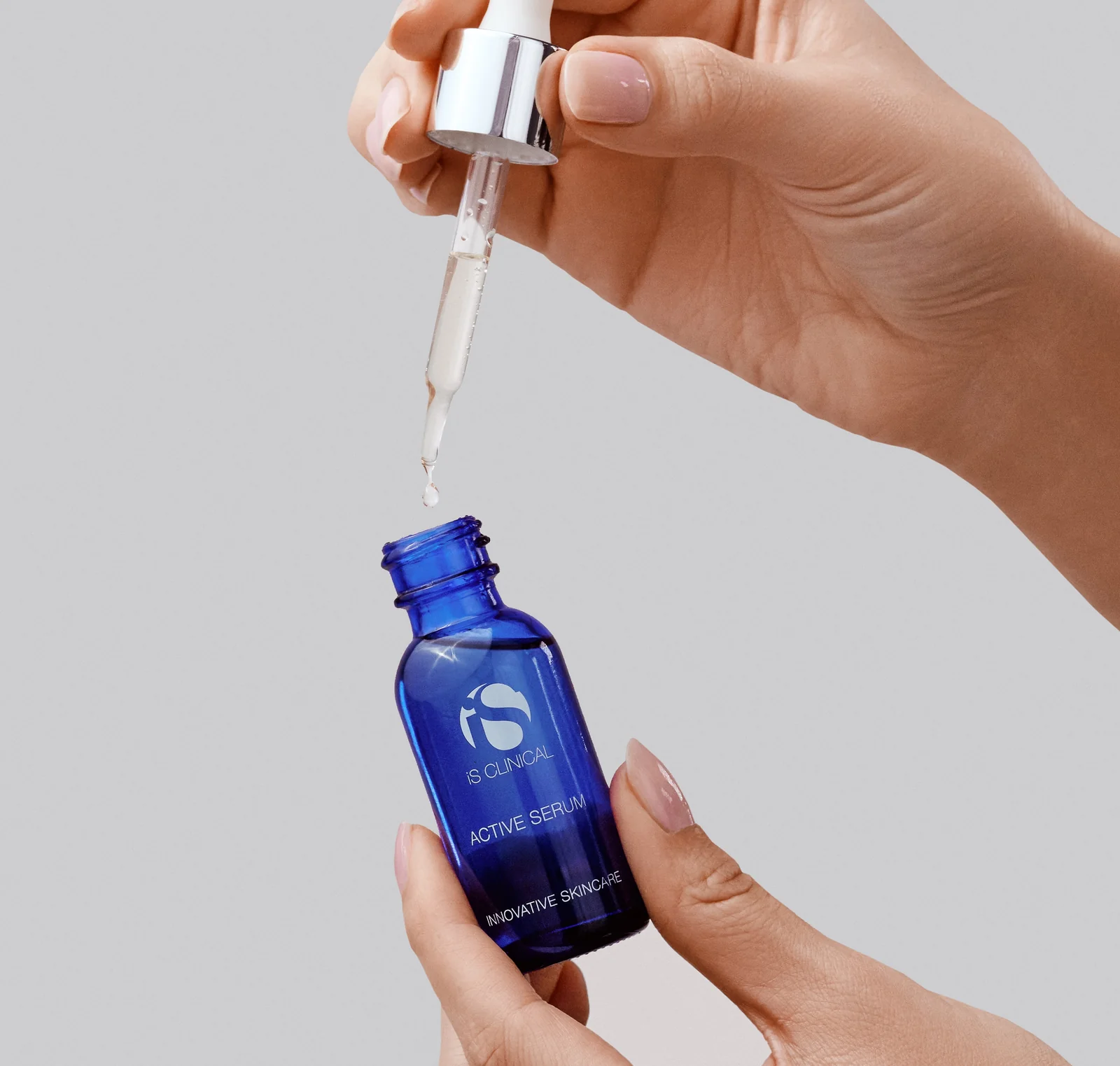
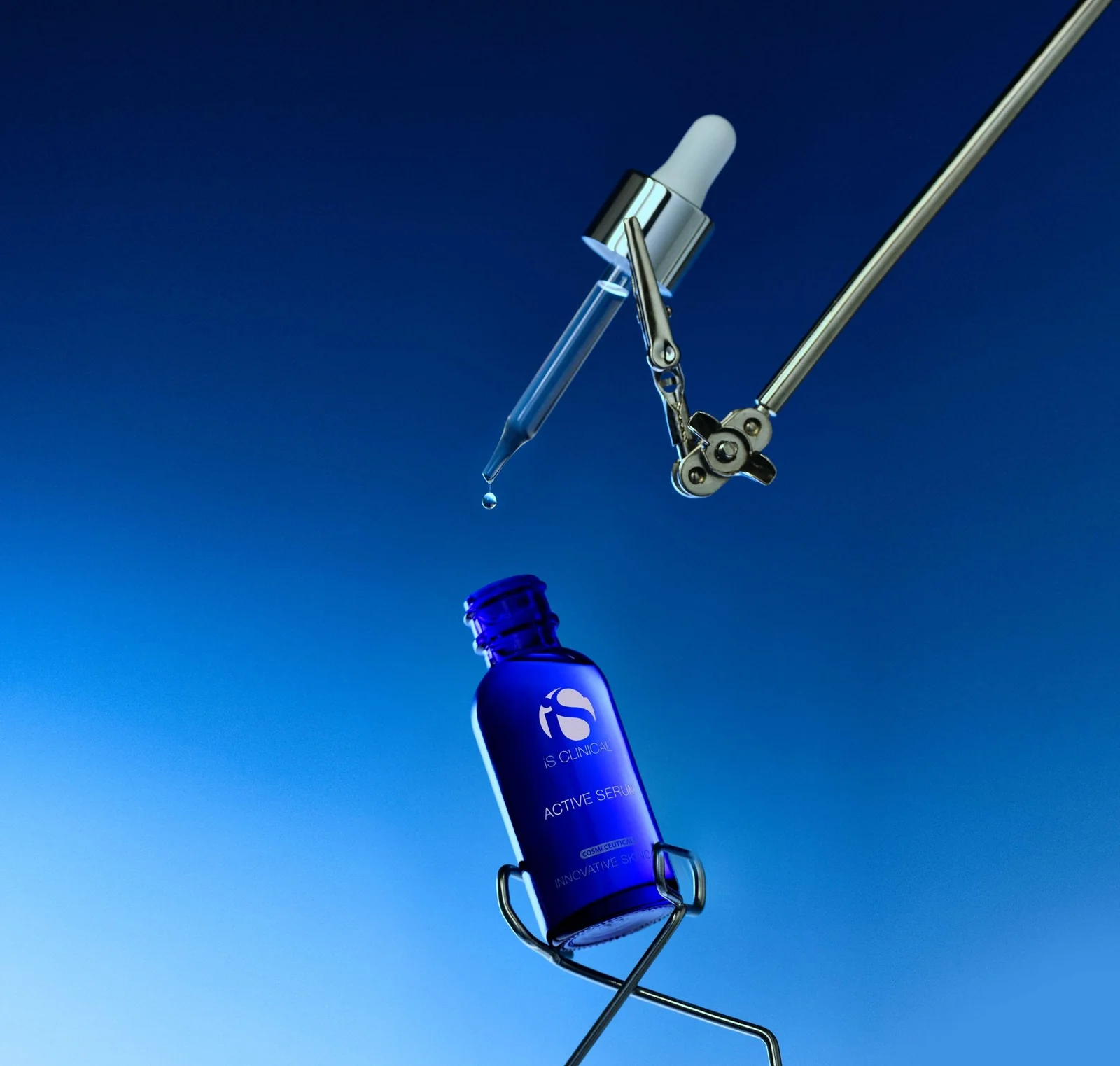
Key actives: Kojic acid, salicylic acid, glycerin, arbutin, bilberry extract
Best for: Oily, acne-prone, or dehydrated skin; those wanting multi-functional results from fewer products
This isn’t a dedicated hydrating serum – and that’s the point. The Active Serum tackles hydration, uneven tone, and congestion at the same time. For oily or acne-prone skin types who find traditional moisturisers too heavy, it’s a practical entry into the iS Clinical range that provides real hydration without blocking pores or feeling uncomfortable.
It works well in the second step of a simplified routine – serum straight after cleansing, followed by a light moisturiser to seal. At a lower price point than dedicated hydration serums, it delivers above what you’d expect.
Want help choosing the right products for your skin type? Give us a call.
At-home vs professional skin hydration – which is better?
It’s the question clients ask most often. And most guides dodge it with a non-committal ‘both have their place’.
| At-Home Hydration | Professional Treatment |
| Cost: low to moderate, ongoing | Cost: higher per session, but compounding results |
| Accessibility: daily, any time | Accessibility: requires booking and clinic visit |
| Depth: surface to upper dermis | Depth: mid-to-deep dermis (especially injectables) |
| Consistency: depends on your routine | Consistency: guaranteed outcome with every session |
| Ingredients: limited by OTC concentration caps | Ingredients: medical-grade, higher concentrations |
| Maintenance: must be sustained every day | Maintenance: periodic boosters maintain results |
| Best for: prevention and daily upkeep | Best for: correction and accelerated improvement |
Here’s the honest answer: neither is the full solution on its own.
A consistent daily routine with good-quality products is the most important thing most people can do for their skin. It will outperform the best professional treatment if that treatment isn’t backed up by solid home care.
That said, if your skin has structural dehydration, visible premature ageing driven by moisture loss, or a compromised barrier that products alone haven’t been able to repair – home care won’t fully reverse that. Treatments like HydraFacial or skin booster injectables work at depths that topical products can’t reach. The most effective approach combines both, and that’s what a personalised treatment plan is designed to do.
Want to build a plan that works both at home and in-clinic?
Skin hydration FAQ
How do you hydrate your skin quickly?
The fastest at-home fix is applying a hyaluronic acid serum to damp skin straight after cleansing, then sealing it with a ceramide-rich moisturiser. This pulls water into the skin and locks it in within minutes. For faster, more noticeable results, a HydraFacial treatment delivers a visible difference in a single 30–60 minute session.
What is the best hydration treatment for skin?
It depends on how deep the dehydration goes. For surface-level dryness and dullness, a consistent at-home routine using the right humectants and barrier-support creams works well. For more persistent dehydration – or if your skin hasn’t responded to products – HydraFacial or injectable skin boosters like Profhilo can deliver results that topical products can’t match. The most reliable starting point is a proper skin assessment.
Is HydraFacial better than moisturiser?
They’re not really competing with each other. A moisturiser works at the surface every day. HydraFacial infuses actives at a deeper level and resets the skin’s hydration baseline in a way no topical product can. For the best outcome, the two should work together – HydraFacial supported by a consistent at-home moisturising routine in between sessions.
Does IV hydration improve skin?
Possibly – in certain situations. IV hydration therapy can help if you’re genuinely depleted through poor nutrition, illness, high stress, or significant dehydration. For otherwise healthy adults, the evidence that it delivers meaningful cosmetic improvement beyond a good skincare routine is currently limited. Think of it as occasional systemic support, not a primary strategy for skin hydration.
What ingredient hydrates skin the most?
Hyaluronic acid is the most widely cited – it can bind up to 1,000 times its weight in water. But the molecular weight of the hyaluronic acid matters enormously. Low molecular weight HA penetrates deeper; high molecular weight forms a hydrating layer at the surface. Both have value, but they do different jobs. It’s also worth noting that ceramides are just as important for sustained hydration – they prevent water escaping, which is the other half of the equation.
What is the difference between hydrated and moisturised skin?
Hydrated skin has sufficient water in the cells and dermis. Moisturised skin has an intact lipid barrier that stops that water from escaping. You can have well-hydrated skin that loses moisture quickly if the barrier is damaged – or a well-sealed surface sitting over chronically dry, depleted cells. Good skincare addresses both: humectants to bring water in, and barrier actives to keep it there.